
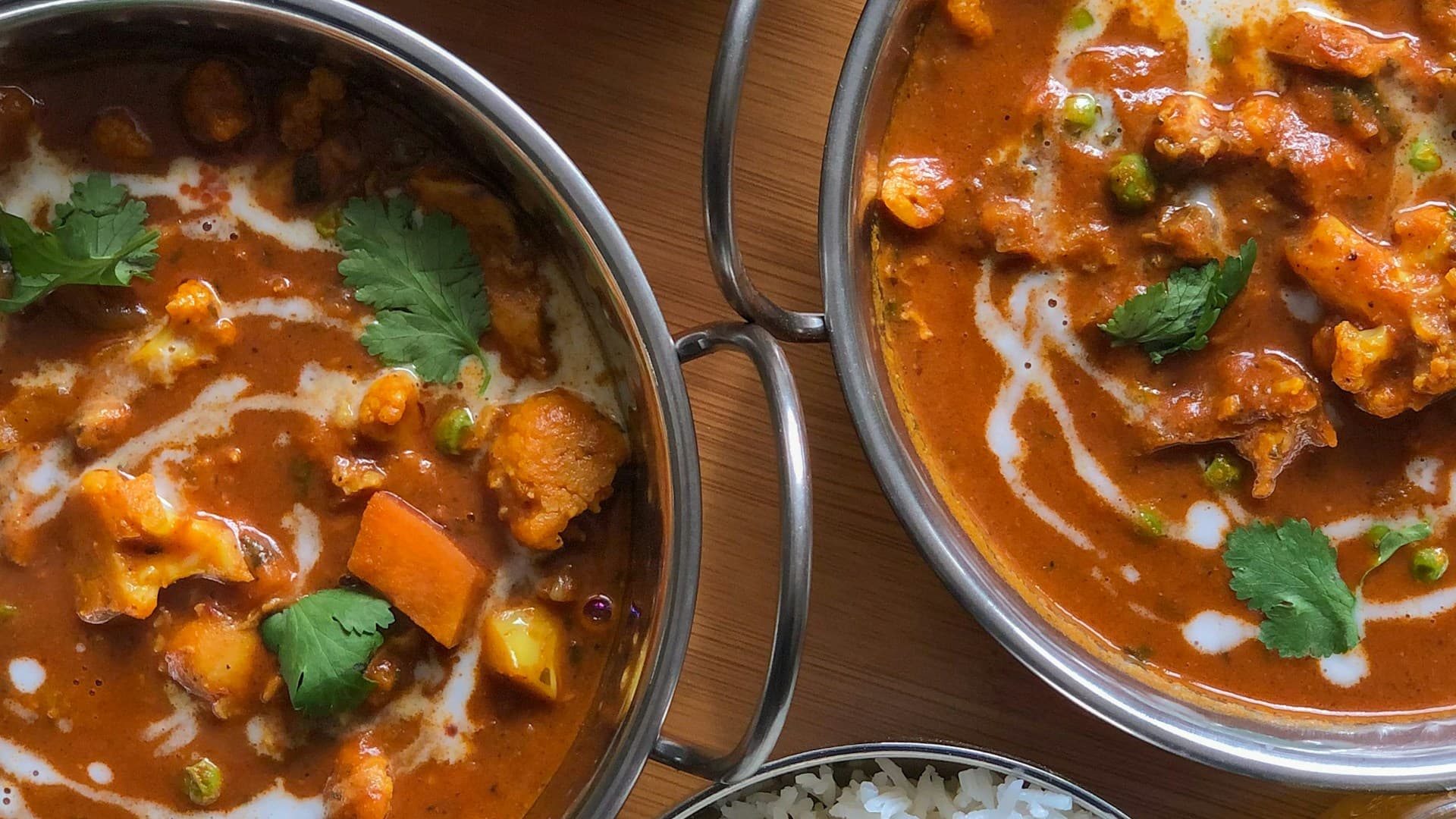
Pakistan has winters. The north — Murree, Islamabad, the Kaghan Valley, Kashmir — gets genuinely, severely cold. Snow falls, roads close, families gather inside around food that has been cooking for hours. But even in the milder winters of Lahore and Karachi, there is a seasonal shift in Pakistani cooking that is distinct and deliberate. The kitchen changes. The dishes change. The relationship between the cook and the stove intensifies.
Pakistani winter food is not a mood or a marketing category. It is a response to actual cold, developed over centuries in a climate where warmth was a practical necessity. The dishes are designed to raise body temperature, sustain energy, and comfort in a way that lighter food cannot. They are also, without exception, dishes that require time — slow cooking is the mechanism through which winter food achieves both its warmth and its depth.
In London in December, the cold is different to Lahore in December. It is greyer, damper, and in some ways more relentless. But the need for warming, sustaining food is exactly the same, and the Pakistani solution works just as well here as it does at home.
Paye: The Overnight Commitment
Paye are slow-cooked trotters — the feet and ankles of lamb or beef, which sound, in the abstract, like an unusual ingredient for a dish. In practice, what the long bones and dense connective tissue of trotters produce when cooked overnight is extraordinary. The collagen dissolves completely over eight to ten hours of very gentle simmering, transforming the broth from water with spices into something that has the body and richness of a full stock. The gelatin gives the gravy a silkiness that no amount of cornflour or cream can replicate.
The spice blend for paye is warming in the specific sense: ginger — both fresh and dried — black pepper, cloves, cinnamon, and black cardamom. These are not just flavour spices. In the Unani and Ayurvedic medical traditions that have always existed alongside Pakistani cooking, these spices are considered heat-generating — they literally raise the body's temperature slightly. Whether you believe the pharmacology or not, eating a bowl of paye on a cold morning produces an unmistakable sensation of warmth that radiates outward.
In Lahore, the great paye shops open at midnight. They cook all night and serve from before dawn until the pot empties, which on a cold morning is before 8am. There is a line before sunrise. People who have had a good paye from a Lahori midnight shop carry the memory of it for years. We serve paye at Raavi Spice when the weather calls for it, and it is one of our most requested winter dishes.
Sarson Da Saag: The Punjab Winter
Sarson da saag — mustard greens slow-cooked with butter — is the dish of the Punjabi winter, the one that appears in Punjabi poetry and folk songs as a symbol of the season, the homeland, and the particular warmth of a cold kitchen. It is eaten with makki di roti: a flatbread made from maize flour, coarser and denser than wheat naan, and entirely correct with the rich, slightly bitter greens.
The preparation of sarson da saag is not complex, but it takes time. The fresh mustard leaves are cleaned, roughly chopped, and cooked down slowly — very slowly — with spinach and sometimes bathua (lamb's quarters, a wild green) to balance the bitterness of the mustard. After an hour of cooking, the greens are broken down with a wooden masher (a bhatta), not puréed, but reduced to a rough, thick consistency. Then the critical finishing: a generous quantity of desi ghee is added, along with fried onions and ginger, and everything is cooked together for another twenty minutes. The result tastes of winter in the Punjab — slightly bitter, deeply rich, and warming in a way that stays with you for hours.
White butter is placed on top just before serving. It melts over the hot greens and creates a pool of richness at the centre of the dish. A cold winter night, a plate of sarson da saag, and a stack of makki di roti: this is what Pakistani winter means at its most elemental.
Haleem: The Great Equaliser
Haleem is wheat, lentils, and meat cooked together for hours — sometimes six, sometimes eight — until they become a single, unified dish of extraordinary depth and a texture unlike anything else in the cuisine. It is thick, almost porridge-like, rich with the marrow and fat of bone-in meat, and seasoned with a masala that is specific to this dish and this dish alone.
Haleem is known as the great equaliser of Pakistani cooking because the same dish — made to the same standard — appears at street stalls and at wedding banquets. It does not belong to any social class or economic bracket. It is too fundamental, too universal, too deeply embedded in the culture to be owned by anyone. The version at the roadside dhaba may be rougher, more aggressively seasoned. The version at the wedding may be garnished more lavishly. But the dish itself is the same dish.
Garnishes for haleem are not optional. Fried onions, fresh ginger julienned very thinly, fresh coriander, green chillies, a squeeze of lemon, and a drizzle of oil infused with whole spices. These garnishes are not decorative. The lemon cuts the richness. The fresh ginger adds a sharp, clean note that contrasts with the soft, slow-cooked depth. The fried onions add texture. Without the garnishes, haleem is good. With them, it is complete.
Nihari in Winter
Nihari appears elsewhere on this blog in its own dedicated post, but in the context of winter food it deserves a separate mention. Nihari is a winter dish in its origins — it was served to manual labourers before the morning prayer, in the pre-dawn cold, as a warming and sustaining meal that would carry them through heavy work until midday. The marrow in the broth, the slow-cooked lamb, the warming spice blend — all of it is calibrated to that purpose.
In winter, we serve more nihari than any other time of year. It is ordered by people coming in from the cold who want something that will genuinely warm them, not just feed them. Six hours of slow cooking produce something that a cold day demands, and we make it every morning so that it is ready for lunch and carries through the evening.
Come In From the Cold
West Drayton in a grey December morning is not Lahore in a grey December morning, but the remedy is the same. Pakistani kitchens have been dealing with cold for centuries with patience, slow cooking, and good spices. We have brought those remedies here.
Come into Raavi Spice when the weather turns. Let us feed you properly. The stove has been on since before we opened, and whatever you need to get warm is already cooking.
Experience the Flavors
Inspired by our stories? Join us at Raavi Spice to experience the authenticity of our cuisine firsthand.
More Stories from Raavi Kitchen
The Art of Authentic Spice Blending: Why Freshly Ground Spices Elevate Every Dish
Discover how whole spices, traditional dry-roasting, and daily in-house grinding form the foundation of West Drayton's finest Punjabi and Lahori cooking.
Summer Flavours & Al-Fresco Dining: What Makes Pakistani Grills Perfect for Warm Nights
Discover how charcoal-grilled seekh kebabs, lamb chops, and fresh tandoori naan create the ultimate summer dining experience in West Drayton.